
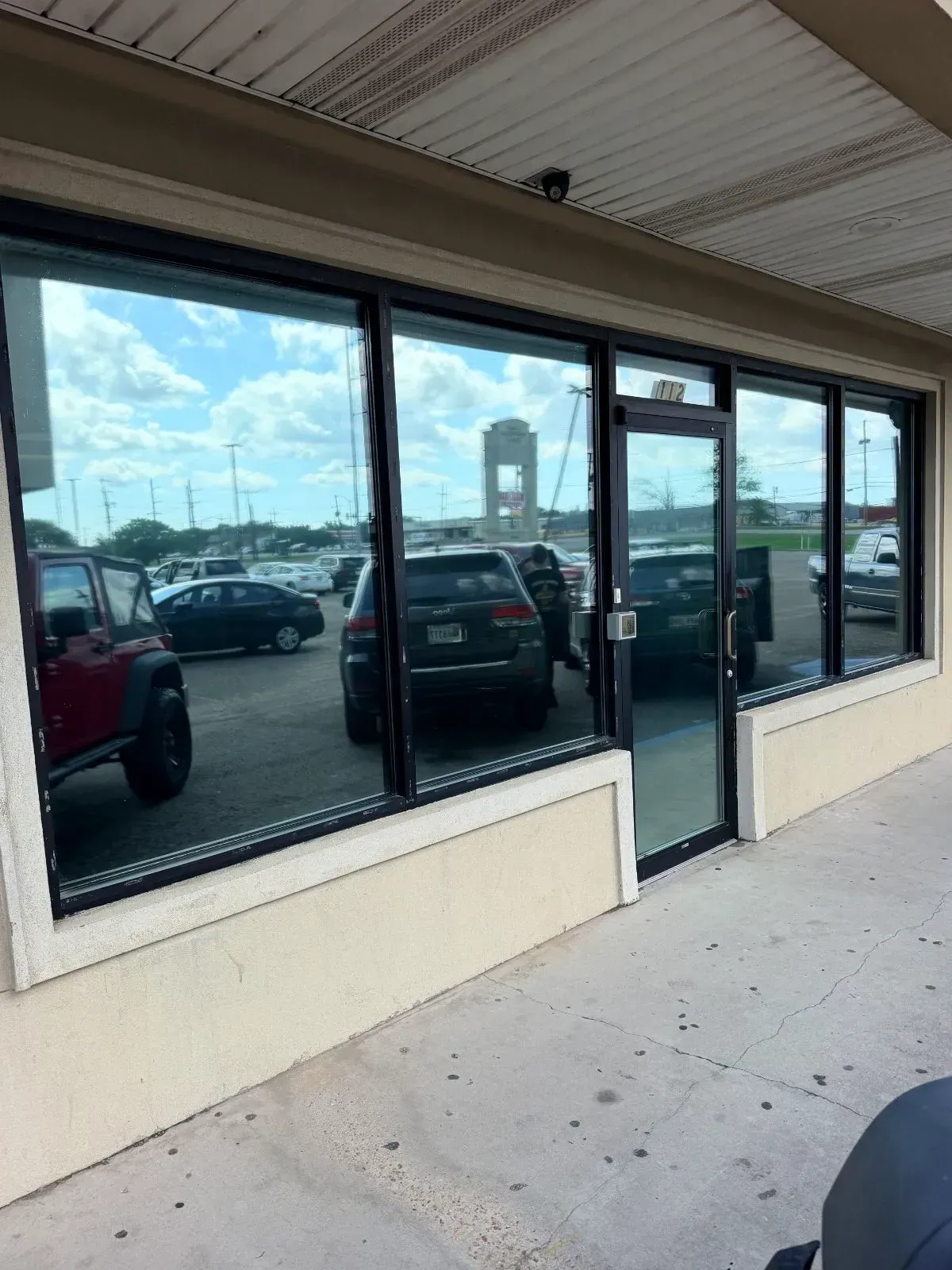
New Orleans, LA: What is Architectural Window Film and How Does It Work? Every hour that Louisiana’s sun passes through unprotected building glass, it is doing measurable damage. In New Orleans and across the greater metro area, the combination of intense UV radiation, coastal humidity, and a heat season that runs well beyond summer means the interior of any home or commercial property without architectural window film is absorbing a solar load that degrades materials, raises temperatures, and compounds cooling costs year after year. What the Product Actually Is Architectural window film is a professionally installed, multi-layer optical material bonded permanently to the interior surface of flat building glass. It is not a coating applied to the outside of a window or a film that peels and reapplies seasonally, it integrates with the glass itself and functions as a permanent solar management layer. How It Controls the Solar Spectrum The sun delivers three distinct types of energy through building glass: visible light, infrared radiation, and ultraviolet radiation. Architectural film is engineered to treat these components selectively, reflecting infrared wavelengths back before they generate heat inside the building and absorbing ultraviolet radiation before it reaches interior surfaces, while allowing visible light to pass through at a natural, undistorted level. This selective filtration is what separates quality architectural film from a simple tint. Darkening glass reduces everything equally. High-performance nano-ceramic film reduces the damaging energy components while preserving the natural daylight that makes interior spaces functional and comfortable. What It Protects in New Orleans Homes and Businesses The case for architectural window film in New Orleans is ultimately a case for protecting what is already inside the building. Hardwood floors lose their finish under sustained UV exposure. Upholstered furniture fades and deteriorates. Retail merchandise degrades over time. Air conditioning systems work harder and cost more when solar heat pours through south- and west-facing glass across the city’s residential neighborhoods and commercial corridors for months at a time. Interior asset protection stops the UV-driven fading and material breakdown that accumulates invisibly through unprotected glass across New Orleans homes, offices, and storefronts over the course of months and years. Thermal load reduction intercepts solar infrared energy before it enters the building, lowering interior temperatures and easing the demand on cooling systems throughout Louisiana’s extended heat season. Glare management improves the usability of sun-exposed rooms, storefronts, and workspaces without requiring window treatments that eliminate natural light entirely. Film Quality and the Gulf Coast Environment Not all architectural films perform equally under the conditions New Orleans and the surrounding region present. In a general sense, depending on the manufacturer, lower-grade dyed films can experience adhesive failure, color change, or reduced solar control under the combination of coastal humidity and sustained UV exposure that Gulf Coast properties face year-round. High-performance nano-ceramic films, such as those made by HITEK Films, are engineered for long-term durability in demanding coastal climates and carry manufacturer warranty coverage that reflects that performance standard. Frequently Asked Questions About Architectural Window Film in New Orleans Does architectural window film work on both homes and commercial buildings in New Orleans? Architectural window film is appropriate for any fixed flat glass application across the greater New Orleans area, from single-family residences and historic shotgun homes to retail storefronts, office buildings, and waterfront properties throughout Orleans and Jefferson Parishes. Film specifications vary by glass orientation, building use, and performance priority, but the technology and installation process apply equally across residential and commercial contexts throughout the metro. How is architectural film different from automotive window tint? Architectural film is engineered for large, flat building glass panels with different adhesive chemistry, surface dimensions, and thermal dynamics than the curved glass used in vehicles. Even when the same brand is used across both applications, the product specifications and installation methods differ substantially. How does architectural window film hold up in Louisiana’s humidity? Coastal humidity creates adhesive and material stress that lower-grade films can fail under over time depending on the manufacturer. High-performance nano-ceramic films, such as those made by HITEK Films, are built to maintain adhesion, clarity, and solar control performance through the humidity cycling and sustained UV exposure that New Orleans properties experience throughout the year. Professional installation using quality film is especially important in Gulf Coast environments where inferior products are more likely to degrade prematurely. Does window film reduce energy costs for New Orleans homes and businesses? Window film reduces the solar heat entering a building through glass, directly lowering the thermal load that air conditioning systems must compensate for during Louisiana’s long cooling season. For properties with significant south- or west-facing glass exposure across the city’s neighborhoods and commercial districts, reducing heat gain at the glass level can contribute meaningfully to lower energy consumption over time.

SUV Window Tint Guide for New Orleans, LA: Best Options for 2026 Choosing the best window tint for SUVs in New Orleans, LA requires more than selecting a dark shade. Drivers in this region deal with constant heat, high humidity, and intense sunlight, all of which affect cabin comfort and long-term film performance. This guide explains which tint types work best, how they handle moisture and heat, and what SUV owners should prioritize for daily driving in New Orleans. What Is the Best Window Tint for SUVs in New Orleans, LA? The best window tint for SUVs in New Orleans, LA is ceramic window tint due to its ability to manage both heat and humidity effectively.Ceramic films are engineered to block infrared heat while maintaining clarity. In a climate like New Orleans, where moisture and temperature remain high throughout much of the year, this type of film provides consistent performance without relying on darkness alone. Why SUVs Need High-Performance Tint in New Orleans SUVs present unique challenges when exposed to the New Orleans climate. Larger windows allow more sunlight to enter, while the increased cabin space holds heat longer than smaller vehicles. Humidity adds another layer of stress. Moisture in the air can affect lower-quality films over time, especially in vehicles that are frequently parked outdoors near areas like the French Quarter or along Lake Pontchartrain. For SUV drivers, high-performance tint helps maintain interior comfort while supporting long-term durability in these conditions. Types of Window Tint for SUVs: Ceramic vs Carbon vs Dyed Ceramic Window Tint (Best Overall) Ceramic window tint is the most advanced option available for SUV owners dealing with heat and humidity. Blocks infrared heat without requiring a dark appearance, which helps maintain visibility in heavy sunlight Resists humidity-related wear, making it suitable for coastal environments Maintains clarity over time, reducing glare without distorting vision High-quality ceramic films, such as those made by HITEK Films, are designed to handle both heat and moisture. This results in a cooler cabin and a more consistent driving experience throughout the year. Carbon Window Tint Carbon window tint offers a moderate level of performance and durability compared to ceramic options. Provides solid heat reduction for everyday driving conditions Maintains its appearance better than basic films Reduces glare without significantly affecting visibility This option works well for SUV owners who want improved comfort but are not focused on maximum heat rejection. Dyed Window Tint Dyed window tint is typically used for appearance and privacy. In a general sense, dyed films can fade or lose effectiveness over time depending on the manufacturer, especially in humid climates. Primarily reduces brightness rather than heat Creates a darker look for privacy May degrade faster when exposed to constant moisture and heat For improved durability and performance, higher-quality alternatives, such as those made by HITEK Films, are often a better fit for New Orleans conditions. How Window Tint Performs in Heat and Humidity in New Orleans Window tint performance depends on how it interacts with both sunlight and environmental moisture. Heat enters the vehicle primarily through infrared radiation, while humidity influences how materials age over time. Ceramic tint addresses both factors. It blocks infrared energy that carries heat while maintaining structural stability in humid conditions. In contrast, films that rely mainly on dyes or basic materials may struggle to maintain consistent performance in prolonged moisture exposure. For SUV owners, this means better temperature control during long drives and less heat buildup after parking outdoors in areas with high sun exposure. Best Tint Percentages for SUVs in Louisiana Selecting the right tint percentage involves balancing visibility, comfort, and environmental conditions. In Louisiana, many drivers choose combinations that enhance comfort without compromising visibility. Front Windows Front windows typically use lighter shades to ensure clear visibility during day and night driving. This helps reduce glare while maintaining safe sightlines in varying weather conditions. Rear Windows Rear windows often use darker tint since visibility demands are lower. This helps limit heat entering through larger glass areas common in SUVs. Windshield Options The windshield plays a major role in heat gain. Clear or very light ceramic films can reduce heat without affecting visibility, making them a practical solution for daily driving in New Orleans. Common Mistakes When Choosing SUV Tint in New Orleans Many SUV owners focus on appearance instead of performance, which can lead to poor results in a humid climate. Choosing darker tint — Darker films may reduce brightness, but they do not always block heat effectively. Infrared rejection is more important in hot environments. Using low-quality tint in humid conditions — In a general sense, lower-grade films can degrade faster depending on the manufacturer. Higher-quality options, such as those made by HITEK Films, are better suited for moisture exposure. Ignoring the windshield’s impact on heat — A large portion of heat enters through the windshield. Not addressing it limits the overall effectiveness of the tint system. FAQs What is the best tint for humid climates? Ceramic window tint performs best because it resists moisture-related wear while effectively reducing heat. Is ceramic tint worth it in New Orleans? Yes. It provides consistent performance in both heat and humidity, which are constant factors in the region. What tint blocks the most heat? Films designed to block infrared energy provide the most effective heat reduction, regardless of how dark they appear. Can you tint your windshield in Louisiana? Yes, but only certain portions or very light films are allowed. Clear ceramic options are commonly used to maintain visibility.